The Apple box moment
How an Apple unboxing quietly shaped my entire design philosophy.



The deal
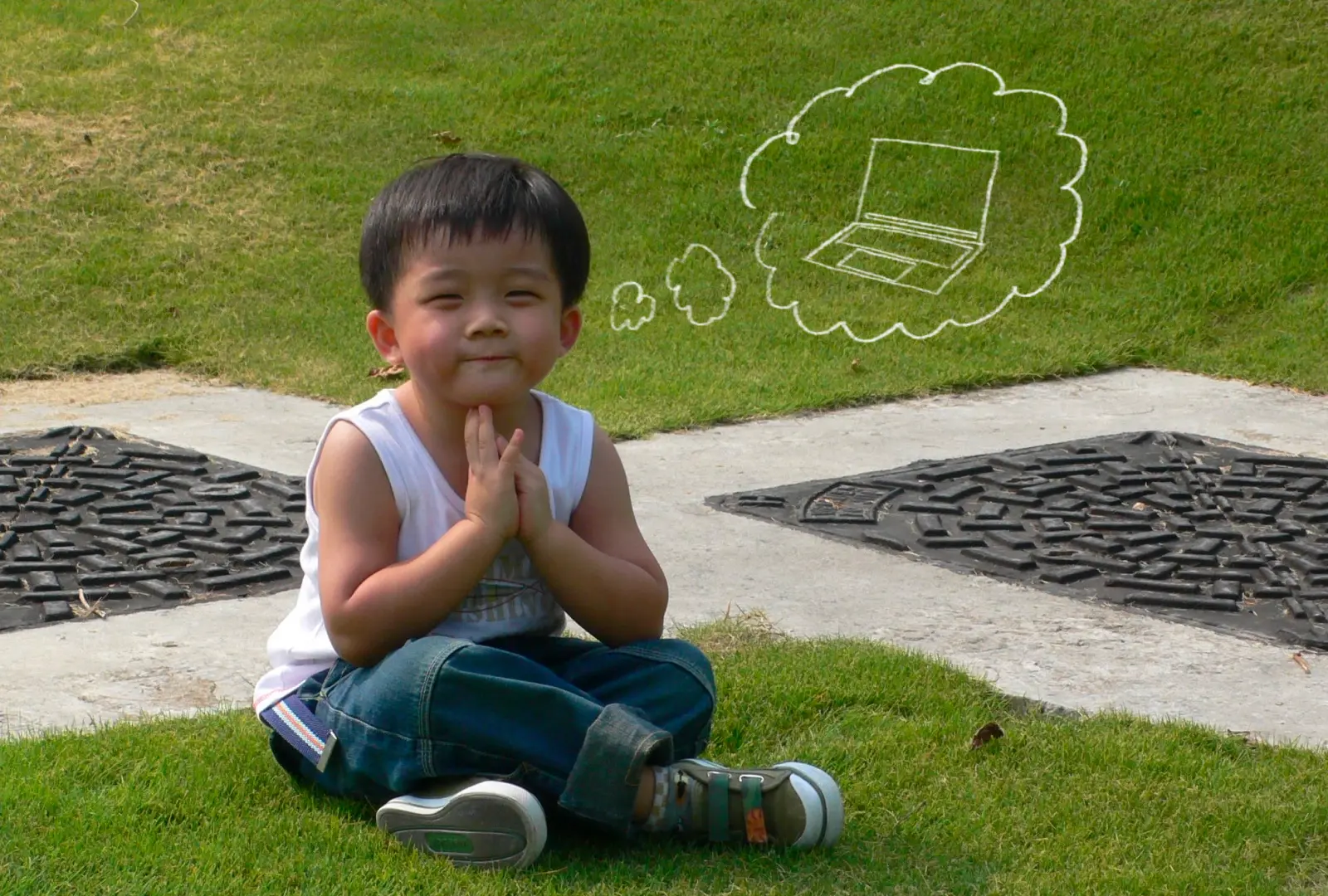
My dad gave me a MacBook I didn't fully earn. Growing up, my family were Android people through and through, always going for whatever gave the best value for money. I understood where they were coming from, but I never really agreed with it. I was already deep into design, photography and videography by secondary school, and I had been obsessed with Apple products for as long as I could remember, not just because of how they looked, but because of the way everything about them felt.
My work was getting more demanding and I needed a proper machine to keep up with it. So my dad made a deal with me: hit your grades and you'll get a MacBook. I studied as hard as I could, didn't quite reach the target, but he saw how much I genuinely cared about the craft and decided to get it for me anyway.
The moment
The day it arrived, I sat on the floor and just opened it slowly. The seal peeled back with this perfectly weighted resistance, the lid lifted at just the right pace, and there was a smell, a sound, a specific friction as the laptop slid out that you could tell someone had thought carefully about. And we weren't even at the product yet.
Takeaway?
That experience has stayed with me ever since, because it showed me something I now apply to everything I design. Every experience registers in the user's mind, even the ones they don't consciously notice. They might not stop and think "that felt right", but it lands somewhere and quietly shapes how they feel about your product, your brand, your work, long after the moment has passed.
That's the standard I try to hold myself to. Not just what people see, but what they feel without realising it.
The Apple box moment
How an Apple unboxing quietly shaped my entire design philosophy.
How an Apple unboxing quietly shaped my entire design philosophy.
The deal
My dad gave me a MacBook I didn't fully earn. Growing up, my family were Android people through and through, always going for whatever gave the best value for money. I understood where they were coming from, but I never really agreed with it. I was already deep into design, photography and videography by secondary school, and I had been obsessed with Apple products for as long as I could remember, not just because of how they looked, but because of the way everything about them felt.
My work was getting more demanding and I needed a proper machine to keep up with it. So my dad made a deal with me: hit your grades and you'll get a MacBook. I studied as hard as I could, didn't quite reach the target, but he saw how much I genuinely cared about the craft and decided to get it for me anyway.
The moment
The day it arrived, I sat on the floor and just opened it slowly. The seal peeled back with this perfectly weighted resistance, the lid lifted at just the right pace, and there was a smell, a sound, a specific friction as the laptop slid out that you could tell someone had thought carefully about. And we weren't even at the product yet.
Takeaway?
That experience has stayed with me ever since, because it showed me something I now apply to everything I design. Every experience registers in the user's mind, even the ones they don't consciously notice. They might not stop and think "that felt right", but it lands somewhere and quietly shapes how they feel about your product, your brand, your work, long after the moment has passed.
That's the standard I try to hold myself to. Not just what people see, but what they feel without realising it.
The deal
My dad gave me a MacBook I didn't fully earn. Growing up, my family were Android people through and through, always going for whatever gave the best value for money. I understood where they were coming from, but I never really agreed with it. I was already deep into design, photography and videography by secondary school, and I had been obsessed with Apple products for as long as I could remember, not just because of how they looked, but because of the way everything about them felt.
My work was getting more demanding and I needed a proper machine to keep up with it. So my dad made a deal with me: hit your grades and you'll get a MacBook. I studied as hard as I could, didn't quite reach the target, but he saw how much I genuinely cared about the craft and decided to get it for me anyway.
The moment
The day it arrived, I sat on the floor and just opened it slowly. The seal peeled back with this perfectly weighted resistance, the lid lifted at just the right pace, and there was a smell, a sound, a specific friction as the laptop slid out that you could tell someone had thought carefully about. And we weren't even at the product yet.
Takeaway?
That experience has stayed with me ever since, because it showed me something I now apply to everything I design. Every experience registers in the user's mind, even the ones they don't consciously notice. They might not stop and think "that felt right", but it lands somewhere and quietly shapes how they feel about your product, your brand, your work, long after the moment has passed.
That's the standard I try to hold myself to. Not just what people see, but what they feel without realising it.
More in the details
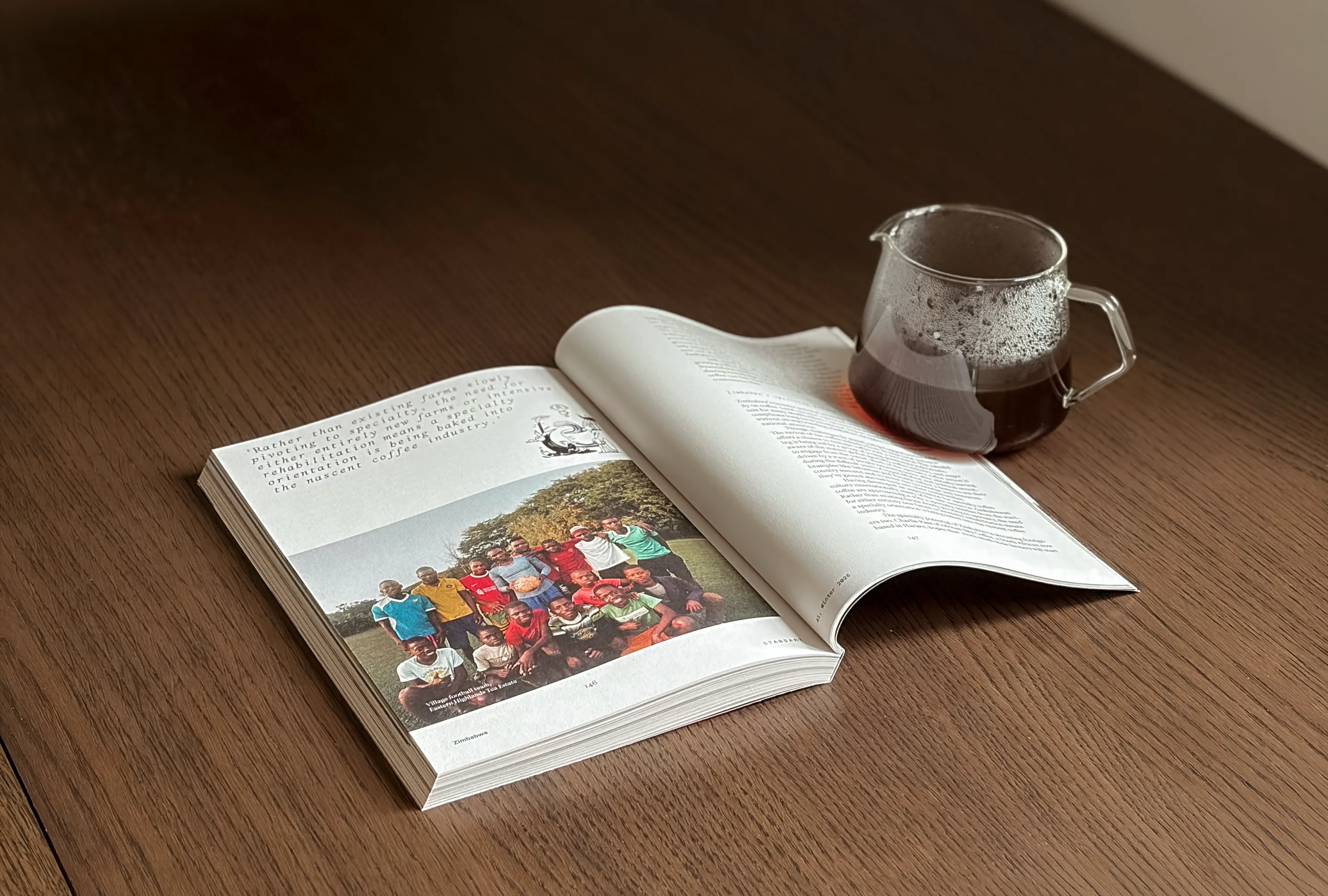
Time for me to touch grass
Taking inspiration from a magazine for my website’s layout
11 May 2026
Time for me to touch grass
11 May 2026
Time for me to touch grass
Taking inspiration from a magazine for my website’s layout
11 May 2026
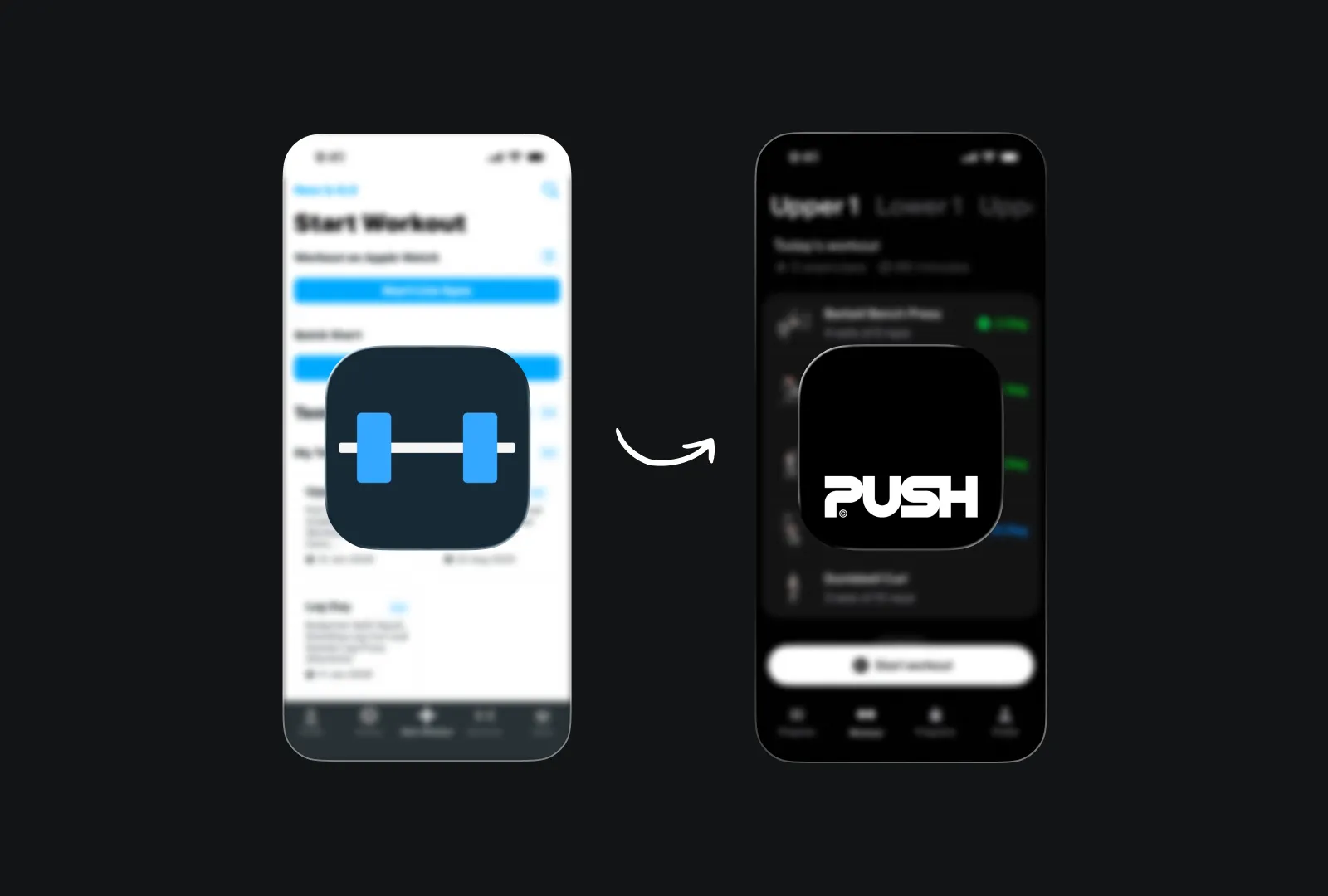
I chose form over function, or did I?
Switching gym apps
8 May 2026
I chose form over function, or did I?
8 May 2026
I chose form over function, or did I?
Switching gym apps
8 May 2026
I was working fewer hours than I thought
You probably are doing the same
5 May 2026
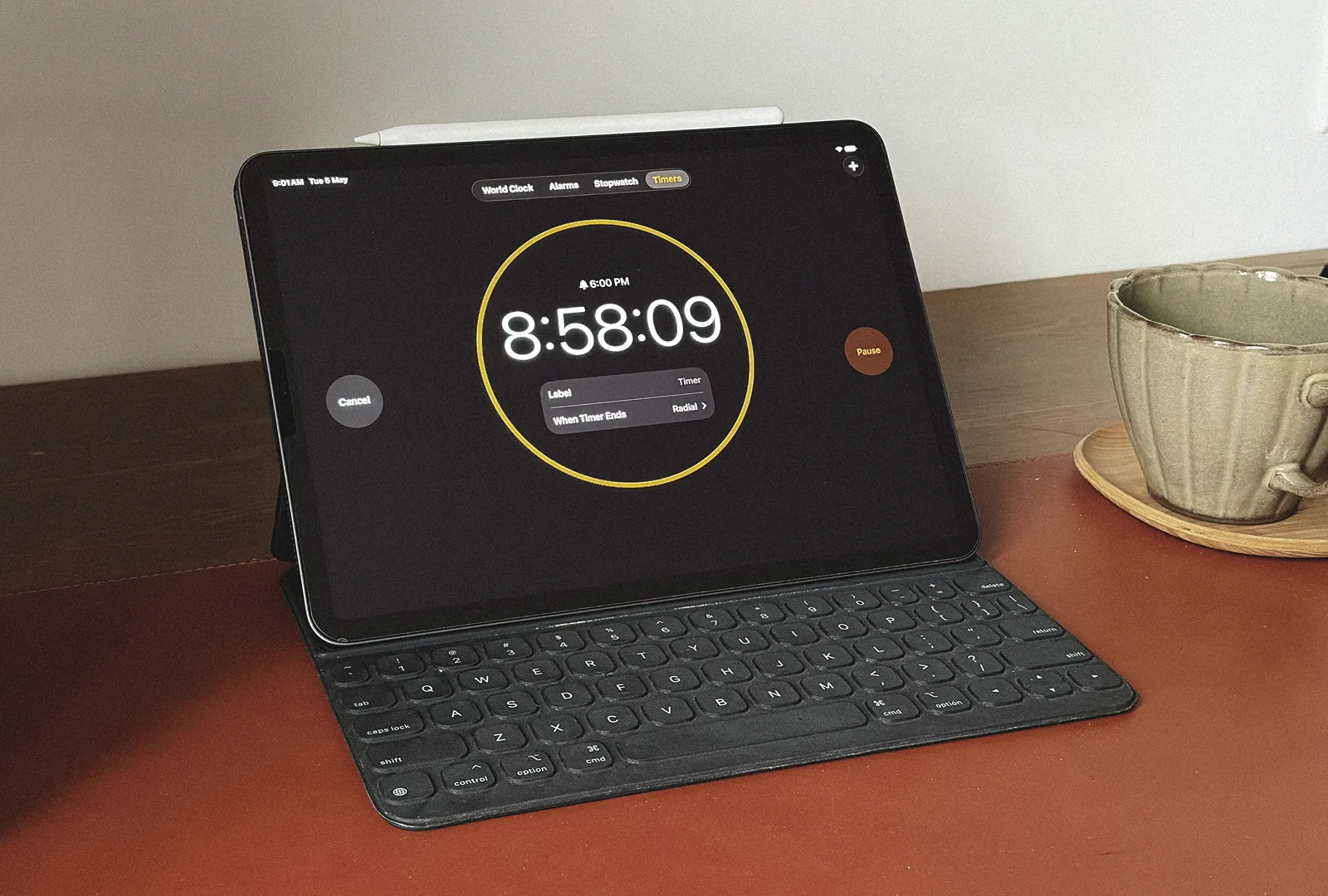
I was working fewer hours than I thought
5 May 2026
I was working fewer hours than I thought
You probably are doing the same
5 May 2026
I take on a small number of projects at a time. That's intentional. The work is better for it.
Book a project
You know what you need. Let's make it happen.
Book a consultation
For those who want to understand what their brand needs before committing to anything.