Design as a form of communication that transcends time
A ninety-year-old map that still feels right every single day.



The idea
Designing, for me, is a form of communication that transcends time and space. When a piece of work is made with genuine love and care for the person on the other end, it stops being just a visual and becomes something closer to a feeling, one that can be understood across different eras, different cultures, different contexts entirely.
The further I go in this craft, the more I start to feel things in work that I previously just looked at. It's like developing a new layer of perception, where you begin to sense the intention behind a piece, the care that went into it, even when you can't fully articulate why.
The example
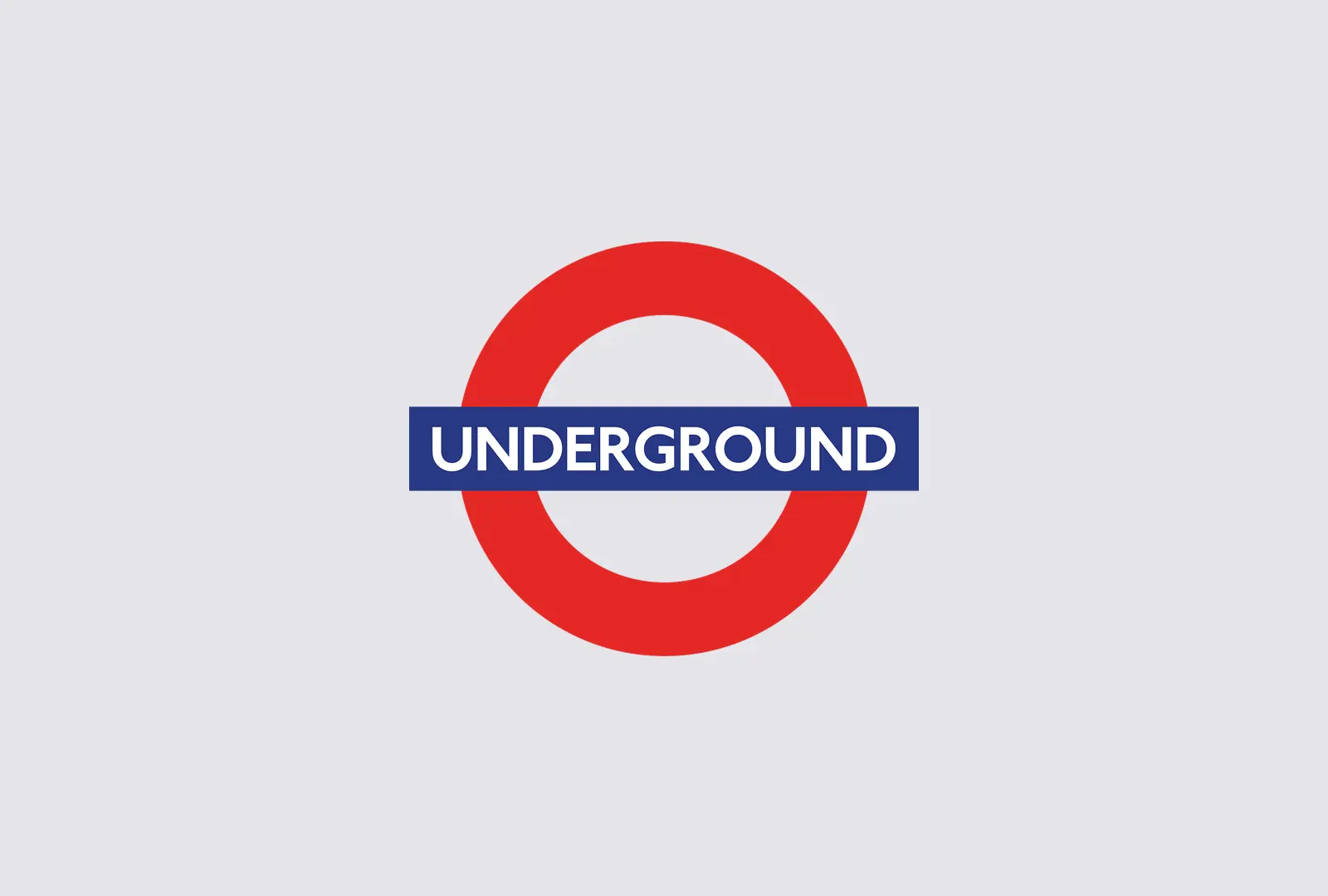
A good example of this, and one I keep coming back to, is the London Underground map. In 1931, Harry Beck reimagined it into something so clear and considered that it hasn't needed to change much since. He made a decision that sounds simple on paper: ignore geography, prioritise clarity. What matters underground is which line you're on and where you need to get off, so he built the entire system around that single truth.
What strikes me isn't just the original idea, but the design system underneath it. This map has to contain hundreds of stations, dozens of line colours, station names of wildly different lengths, interchanges and zones, and somehow make all of it feel like it belongs to the same family. It has to be flexible enough to absorb anything, and rigid enough to stay coherent.
Takeaway?
Every day, millions of people glance at it for a few seconds and know exactly where they are. They don't think about the design. They don't need to, and that's the point.
C'mon it's a stroke inside of a circle how hard can it be? Simple, but not easy. The simplicity is the result, not the starting point, and it takes an enormous amount of restraint and care to arrive at something that feels effortless to use. That's what I try to carry into everything I do, and honestly, it's a standard I'm still learning from a map drawn nearly a hundred years ago.
Design as a form of communication that transcends time
A ninety-year-old map that still feels right every single day.
A ninety-year-old map that still feels right every single day.
The idea
Designing, for me, is a form of communication that transcends time and space. When a piece of work is made with genuine love and care for the person on the other end, it stops being just a visual and becomes something closer to a feeling, one that can be understood across different eras, different cultures, different contexts entirely.
The further I go in this craft, the more I start to feel things in work that I previously just looked at. It's like developing a new layer of perception, where you begin to sense the intention behind a piece, the care that went into it, even when you can't fully articulate why.
The example
A good example of this, and one I keep coming back to, is the London Underground map. In 1931, Harry Beck reimagined it into something so clear and considered that it hasn't needed to change much since. He made a decision that sounds simple on paper: ignore geography, prioritise clarity. What matters underground is which line you're on and where you need to get off, so he built the entire system around that single truth.
What strikes me isn't just the original idea, but the design system underneath it. This map has to contain hundreds of stations, dozens of line colours, station names of wildly different lengths, interchanges and zones, and somehow make all of it feel like it belongs to the same family. It has to be flexible enough to absorb anything, and rigid enough to stay coherent.
Takeaway?
Every day, millions of people glance at it for a few seconds and know exactly where they are. They don't think about the design. They don't need to, and that's the point.
C'mon it's a stroke inside of a circle how hard can it be? Simple, but not easy. The simplicity is the result, not the starting point, and it takes an enormous amount of restraint and care to arrive at something that feels effortless to use. That's what I try to carry into everything I do, and honestly, it's a standard I'm still learning from a map drawn nearly a hundred years ago.
The idea
Designing, for me, is a form of communication that transcends time and space. When a piece of work is made with genuine love and care for the person on the other end, it stops being just a visual and becomes something closer to a feeling, one that can be understood across different eras, different cultures, different contexts entirely.
The further I go in this craft, the more I start to feel things in work that I previously just looked at. It's like developing a new layer of perception, where you begin to sense the intention behind a piece, the care that went into it, even when you can't fully articulate why.
The example
A good example of this, and one I keep coming back to, is the London Underground map. In 1931, Harry Beck reimagined it into something so clear and considered that it hasn't needed to change much since. He made a decision that sounds simple on paper: ignore geography, prioritise clarity. What matters underground is which line you're on and where you need to get off, so he built the entire system around that single truth.
What strikes me isn't just the original idea, but the design system underneath it. This map has to contain hundreds of stations, dozens of line colours, station names of wildly different lengths, interchanges and zones, and somehow make all of it feel like it belongs to the same family. It has to be flexible enough to absorb anything, and rigid enough to stay coherent.
Takeaway?
Every day, millions of people glance at it for a few seconds and know exactly where they are. They don't think about the design. They don't need to, and that's the point.
C'mon it's a stroke inside of a circle how hard can it be? Simple, but not easy. The simplicity is the result, not the starting point, and it takes an enormous amount of restraint and care to arrive at something that feels effortless to use. That's what I try to carry into everything I do, and honestly, it's a standard I'm still learning from a map drawn nearly a hundred years ago.
More in the details
Time for me to touch grass
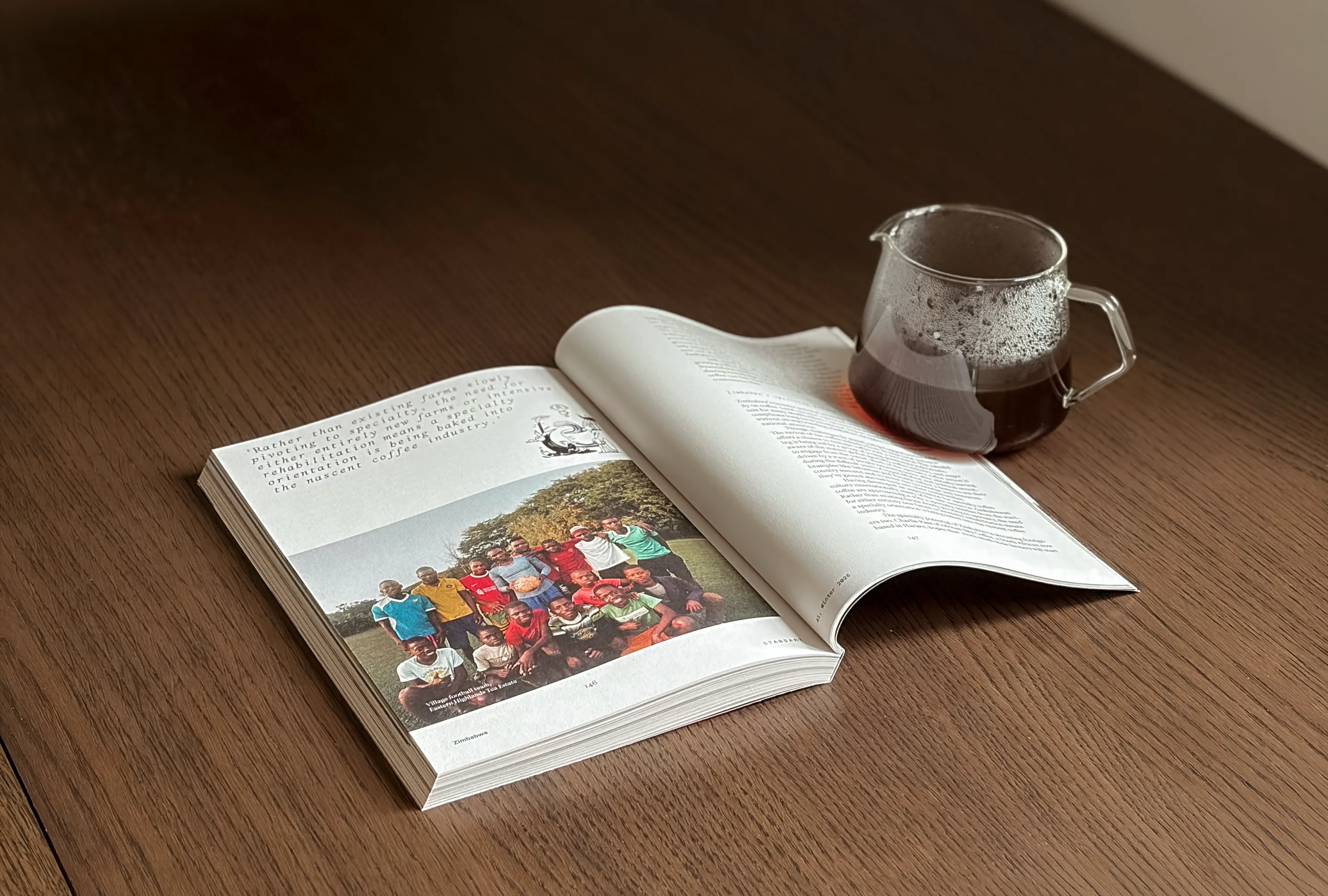
Taking inspiration from a magazine for my website’s layout
11 May 2026
Time for me to touch grass
11 May 2026
Time for me to touch grass
Taking inspiration from a magazine for my website’s layout
11 May 2026
I chose form over function, or did I?
Switching gym apps
8 May 2026
I chose form over function, or did I?
8 May 2026
I chose form over function, or did I?
Switching gym apps
8 May 2026
I was working fewer hours than I thought
You probably are doing the same
5 May 2026
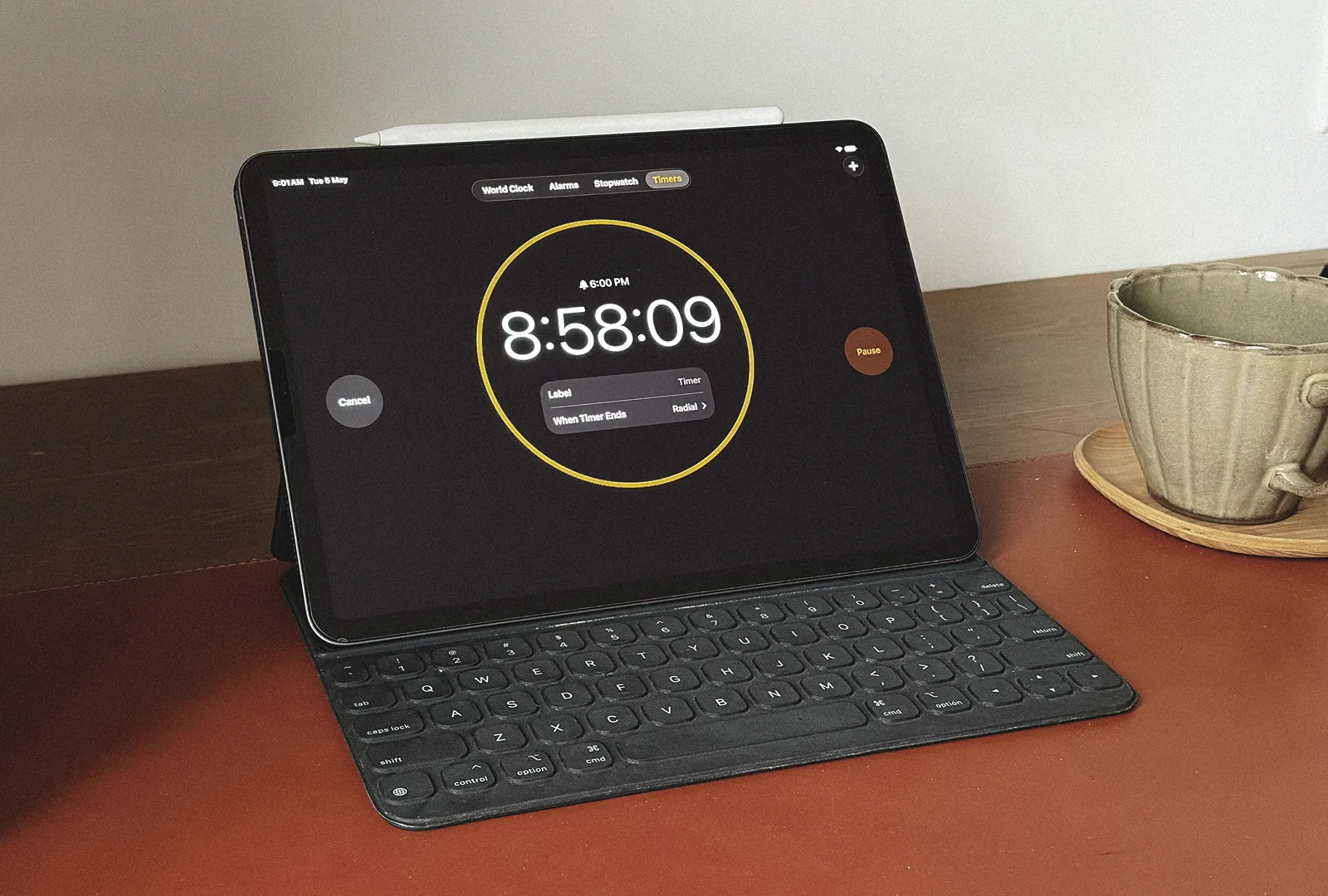
I was working fewer hours than I thought
5 May 2026
I was working fewer hours than I thought
You probably are doing the same
5 May 2026
I take on a small number of projects at a time. That's intentional. The work is better for it.
Book a project
You know what you need. Let's make it happen.
Book a consultation
For those who want to understand what their brand needs before committing to anything.